
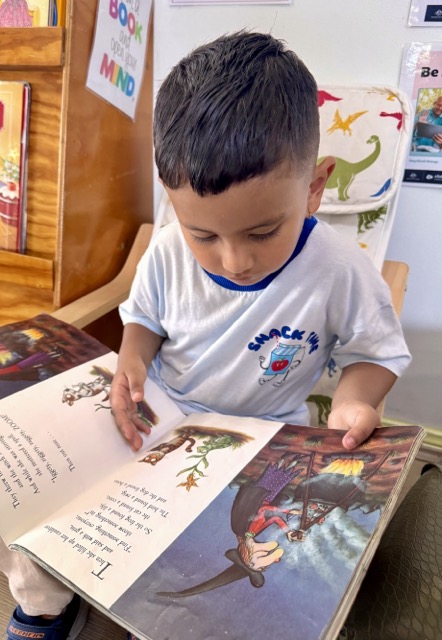
Reading with young children isn’t about getting through a book perfectly — it’s about building connection, confidence, and language in a way that supports learning for life.
At Willunga Child Care Centre & Preschool in Quakers Hill, reading is a daily part of our routine because it supports so many early learning foundations: communication, concentration, imagination, emotional understanding, and school readiness.
Whether your child is a toddler who loves turning pages or a preschooler who asks “why?” 100 times a day, reading is one of the simplest (and most powerful) ways to support their development.
Children learn new words by hearing them in context — and books are packed with rich language we don’t always use in everyday conversation.
When you read regularly, children naturally develop:
Even short picture books can introduce words like enormous, tiny, curious, tumble, discover, and brave — all great building blocks for learning.
School readiness isn’t just about writing letters — it’s about listening, understanding instructions, taking turns, asking questions, and staying engaged.
Reading helps children practise:
These are the skills that make the transition to “big school” feel calmer and more confident.
Many children can feel big emotions before they can explain them. Books give them language for feelings and help them see that emotions are normal.
Stories can support children to understand:
Books often become a safe way for children to talk about what they’re experiencing.
When children hear stories, their brains create pictures, characters, and ideas — even before they can read words themselves.
This supports:
Imagination is a big part of learning — and books help it grow.
You don’t need long sessions or a huge home library. Here are simple ways to make reading a natural part of your week.
Try 5–10 minutes a day, even if it’s just one book. Consistency matters more than length.
Children learn through repetition. Re-reading builds confidence and helps them predict language and story patterns.
While you read, ask gentle prompts like:
This builds comprehension and communication in a natural way.
If your child loves dinosaurs, trucks, animals, princesses, or space — choose books around that theme. Interest = attention.
Reading in your home language builds strong language foundations and supports confidence. Children can learn multiple languages beautifully.
At Willunga, we create a literacy-rich environment where children experience reading throughout the day, including:
Our focus is on helping children become confident communicators — through warm connections, conversation, and engaging stories.
If you’re not sure where to begin, aim for this:
✅ One book a day
✅ 5–10 minutes
✅ Let your child choose sometimes
✅ Keep it calm and enjoyable
That’s it. The learning builds naturally.
Visit us at Willunga Child Care and discover a warm, supportive space where your little one can feel safe, curious, and inspired every day.
Discover Our Centre Today.png)

